What is Printed Living?
Printed Living is a 3D concrete home startup focused on fast, affordable, and
fire-resistant housing. We use large-scale concrete printers to build homes and
ADUs that are durable, energy-efficient, and designed to last for generations.
How are 3D-printed homes different from traditional homes?
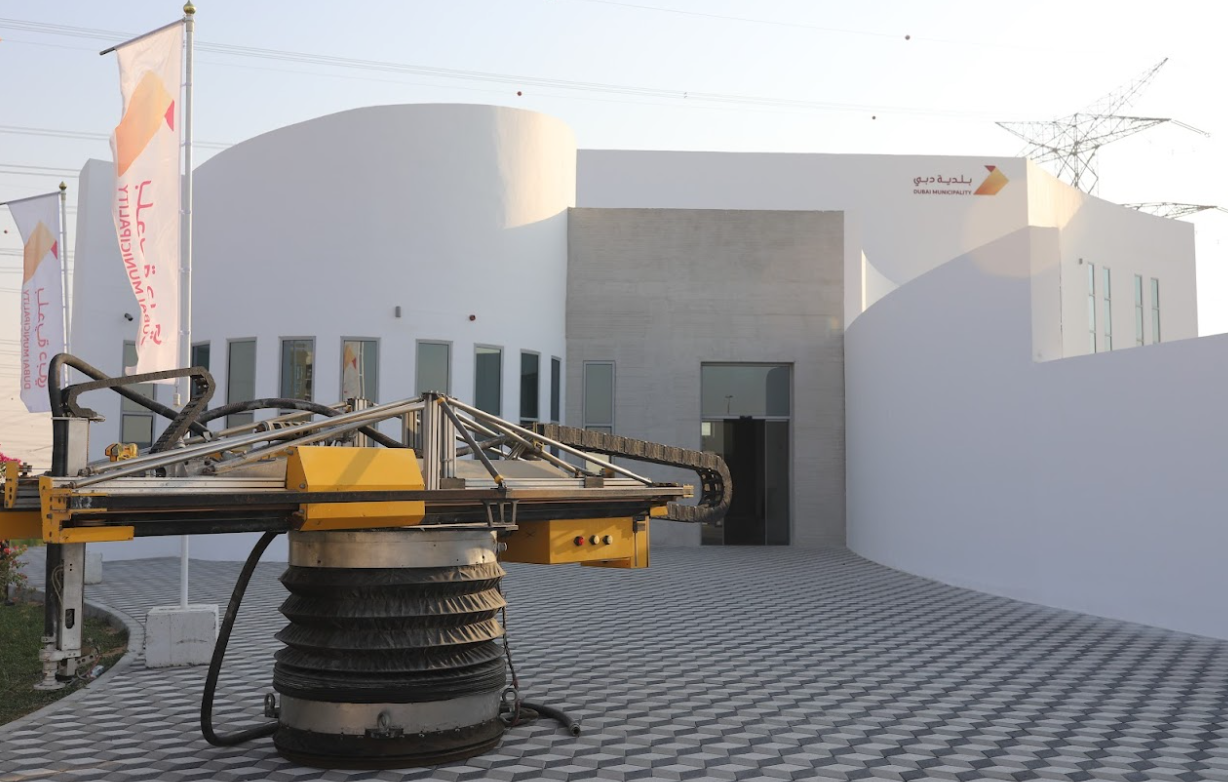
3D-printed homes are built layer by layer with a concrete mix, using an automated
printer instead of wood framing crews. This reduces waste, shortens build times,
and creates a strong, monolithic structure with fewer weak points than
conventional stick-built houses.
Are 3D-printed homes affordable?
Yes. Faster construction, fewer materials, and reduced labor translate into
lower overall build costs. Combined with low maintenance and improved fire
resistance, this can help keep long-term housing and insurance costs down.
Where are you currently building?
Our focus is on California communities, especially fire-risk and
high-cost areas such as the Monterey region and the Bay Area, with plans
to expand to other regions as we scale.
Technical Questions
What materials do you use for 3D printing?
We use a specially formulated structural concrete mix designed for 3D printing.
It sets quickly enough to support each new layer, while providing long-term
strength, durability, and weather resistance.
How fire-resistant are 3D-printed concrete homes?
Concrete is non-combustible, so the 3D-printed structure does not burn and
can significantly slow fire spread. This improves safety and can help with
long-term insurability in fire-prone regions.
Can these homes handle earthquakes and wind loads?
Yes. The continuous, monolithic walls created by 3D printing can be engineered
to meet or exceed local building codes for seismic and wind performance.
Reinforcement, anchoring, and foundations are designed in collaboration with
licensed structural engineers.
Can I customize the design of my 3D-printed home?
Within the structural and printer constraints, floor plans and layouts can be
customized. Curved walls, integrated benches, and unique facades are easier to
achieve with 3D printing than with traditional framing.