The implementation of 3D Construction Printing (3DCP) presents a robust case for superior cost efficacy and operational performance compared to conventional construction methodologies, specifically those utilizing wood-frame structures. The primary factors driving these advantages are the optimization of labor, the precision of material use, and the elimination of complexity-related cost premiums.
💰 Economic Superiority and Cost Reduction
Net Cost Reduction: Empirical data suggests that 3D-printed residential structures can achieve a total cost reduction ranging from 10% to 45% relative to conventionally constructed wood-frame homes of comparable quality and size.
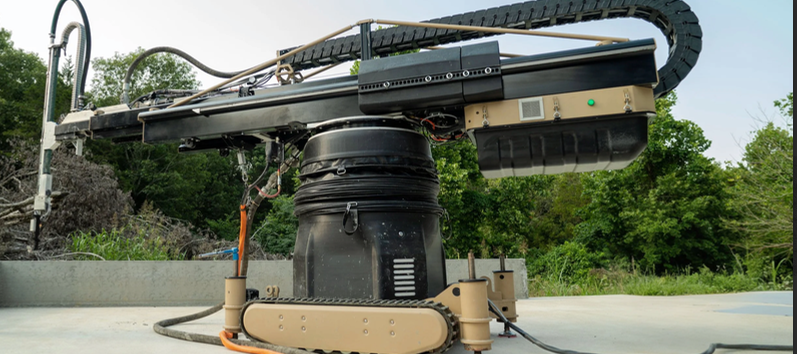
Labor Efficiency and Automation: The printing process is predominantly automated, requiring a dramatically streamlined operational crew. Typical deployment necessitates a minimal team of only two technical personnel to manage the automated system (e.g., equipment operation, material loading, and quality control), leading to substantial savings in project payroll.
Accelerated Construction Velocity: The systematic, high-speed material deposition inherent in 3DCP allows for the completion of the structural envelope in a fraction of the time required by a conventional human crew. This reduction in project duration lowers associated overhead and financing costs.
Material Optimization and Waste Minimization: As an Additive Construction process, 3DCP deposits material exclusively where structurally necessary, achieving near-zero material waste. This stands in stark contrast to conventional construction, which frequently incurs material waste rates of up to 30%, representing a considerable inefficiency that is eliminated through digital fabrication.
📐 Design Versatility and Non-Linear Cost Scaling
A crucial economic differentiator for 3DCP lies in its ability to decouple design complexity from production cost:
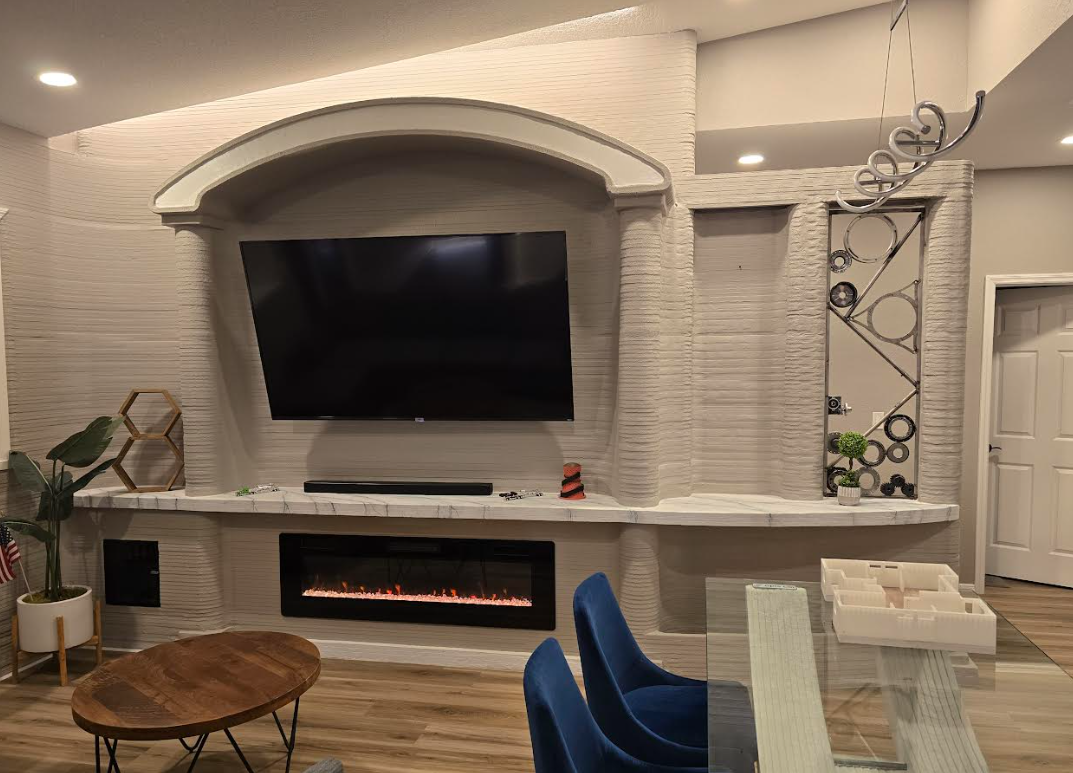
Cost-Neutral Complexity: The fabrication of architecturally advanced features, such as intricate geometries and non-standard curved walls,
does not incur the cost premiums typically associated with complex formwork and specialized manual labor in traditional building. In the digital workflow of 3DCP,
the printing of a straight wall is fundamentally as simple and cost-effective as printing a highly complex, curvilinear structure, thus offering unprecedented
value for high-end design features.
In summary, 3DCP establishes a compelling economic model by delivering significant savings through operational automation and material efficiency, while simultaneously enabling architectural sophistication without inflationary costs.